
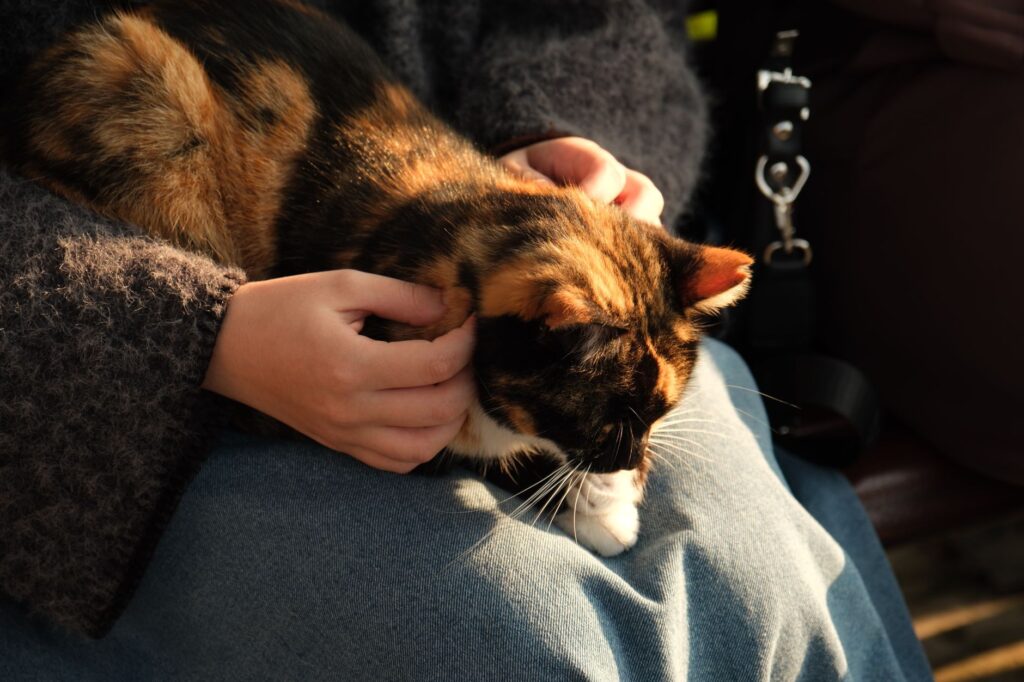
Introduction to Purring
Cat lovers often associate purring with contentment and relaxation. However, the reasons behind this behavior are more complex and multifaceted. Purring serves various functions, including self-soothing, communication, and even appeasement in threatening situations.
Purring as a Mechanism for Calming
Cats may purr when they are frightened or threatened, using this behavior as a means to calm themselves or appease a perceived threat. This is similar to a nervous person smiling in an unsure situation, where the cat’s purr acts as a soothing mechanism to help cope with anxiety.
Insights into Cat Psychology and Physiology
Understanding the complexities of purring can offer valuable insights into a cat’s psychological and physiological state. By recognizing that purring is not solely a sign of happiness, cat owners can better interpret their cat’s behavior and emotional state.
Health and Well-being
Regular veterinary visits and attention to changes in appetite, water intake, litter box habits, appearance, or behavior are crucial for maintaining a cat’s health and well-being. Addressing weight issues, keeping nails trimmed, and regular grooming can also contribute to a cat’s overall health.
Conclusion
In conclusion, purring in cats is a complex behavior that extends beyond happiness, serving multiple functions and providing insights into a cat’s psychology and physiology. By understanding the reasons behind purring, cat owners can better interpret their cat’s behavior and emotional state, ultimately strengthening the bond between cat and owner.
